


Structured Data Cabling vs. Wi-Fi 6: Designing a Reliable Office Network Infrastructure for Business Continuity and Performance
By Zansys ICT, Zansys ICT
As businesses adapt to the increasing demands of technology, the infrastructure behind their connectivity options has become crucial. Choosing between structured data cabling and Wi-Fi 6 can significantly impact network performance, reliability, and overall business efficiency. In this article, we will explore the core differences and advantages of both technologies and how they can be strategically implemented in an office environment. By examining these options, decision-makers can ensure their networks not only support current operations but also position themselves for future technological advancements. The sections that follow will provide an in-depth comparison followed by best practices for implementation, ultimately guiding businesses in future-proofing their office network infrastructure.
What Are the Core Differences Between Structured Data Cabling and Wi-Fi 6 Technologies?
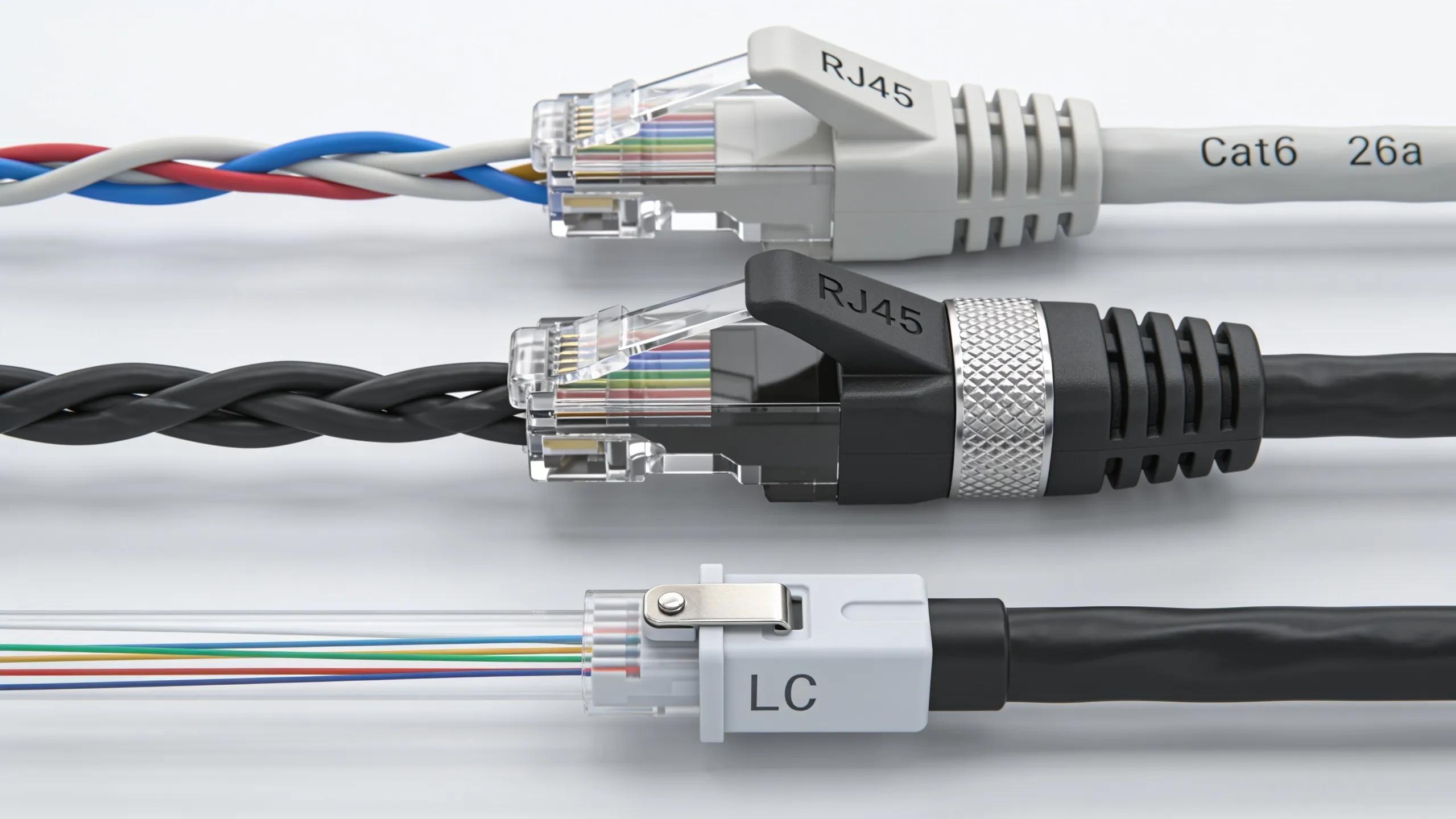
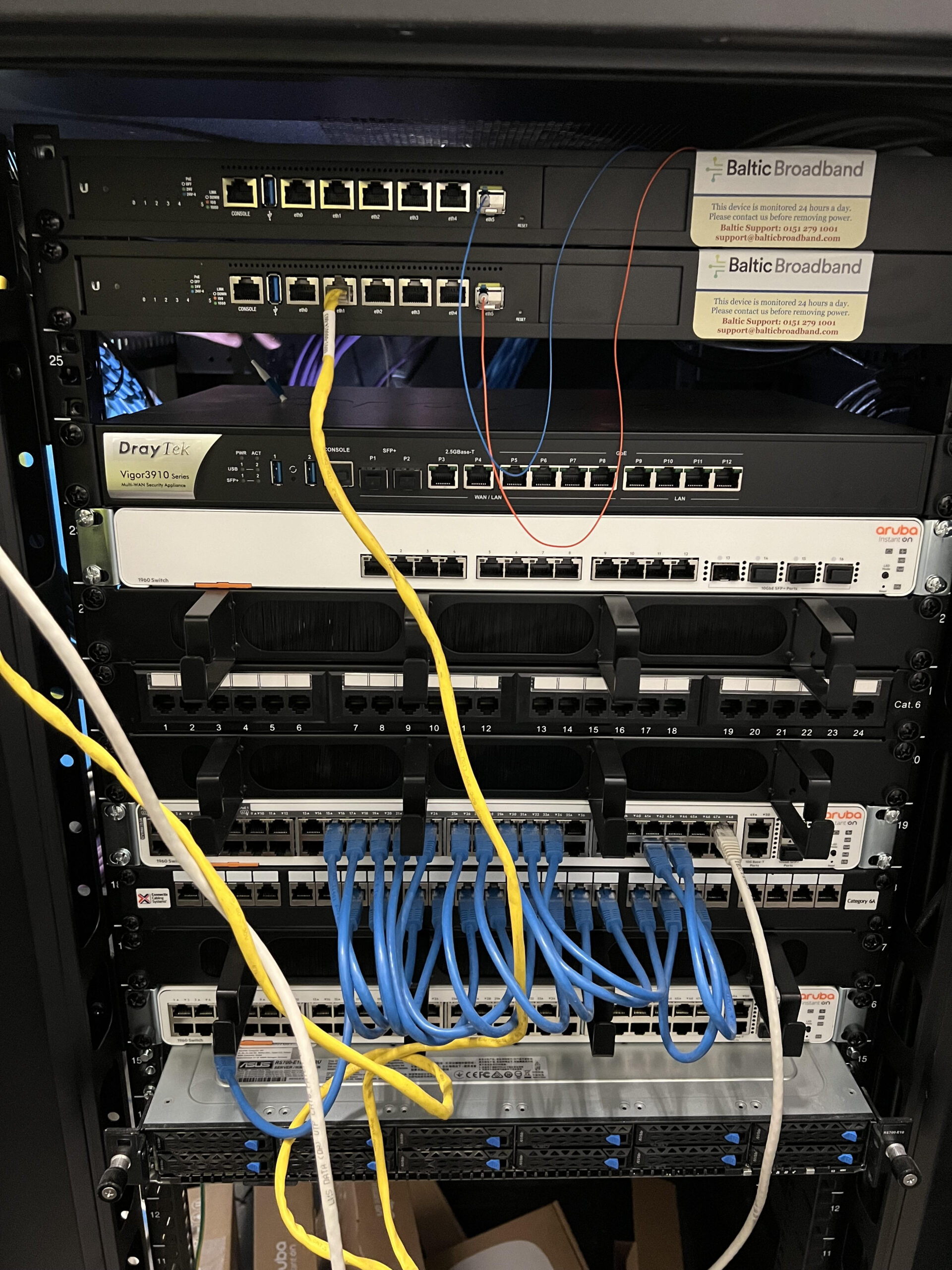
Structured data cabling refers to a network of cabling and associated hardware that provides a comprehensive telecommunications infrastructure. This wired solution is known for its reliability, speed, and superior bandwidth advantages, primarily using standards like Cat6A and fibre optics for connectivity. Conversely, Wi-Fi 6 represents the latest advancement in wireless technologies, providing increased bandwidth, better performance in high-density environments, and improved energy efficiency for connected devices.
How Does Structured Data Cabling Enhance Office Network Reliability and Uptime?
Structured data cabling enhances network reliability through its robust design, reducing downtime caused by connectivity issues. By centralizing connections and minimising interference, organisations utilizing structured cabling can achieve an uptime of 99.99%. This level of reliability is crucial for businesses dependent on consistent operational capabilities, allowing for seamless communication and information transfer.
What Are the Key Wireless Advantages Offered by Wi-Fi 6 for Business Environments?
Wi-Fi 6 delivers several key advantages tailored for modern office environments:
- Increased Bandwidth: Wi-Fi 6 allows multiple devices to connect simultaneously without compromising speed.
- Improved Multi-Device Efficiency: Enhanced performance enables smoother operation across various devices connected to the network.
- Enhanced Security Features: With WPA3 security protocols, Wi-Fi 6 mitigates risks associated with data breaches.
These benefits make Wi-Fi 6 an appealing choice for businesses looking to enhance wireless connectivity and accommodate the growing number of devices in the workplace.
How Does Wired Versus Wireless Network Infrastructure Impact Office Network Performance and Scalability?
Understanding the differences between wired (structured cabling) and wireless (Wi-Fi 6) technologies is pivotal to optimising network performance. Wired connections generally offer lower latency and higher speeds, crucial for data-intensive applications. In contrast, while wireless networks provide flexibility and easy scalability, they can experience interference and lower speeds during peak load times.
What Are the Cost Considerations When Comparing Structured Cabling with Wi-Fi 6 Deployments?
The cost of implementing structured cabling can vary significantly based on the complexity of the installation and the materials used. Structured cabling may incur a higher upfront investment, typically ranging from £100 to £300 per drop, depending on specific requirements. In contrast, Wi-Fi 6 may offer a lower initial cost but can require ongoing investments and maintenance to support network performance and security over time. Therefore, total cost of ownership should include both initial setup and long-term operational costs when choosing between these technologies.
In What Ways Do Hybrid Networks Integrating Structured Cabling and Wi-Fi 6 Improve Business Network Reliability?
Integrating both structured cabling and Wi-Fi 6 creates a hybrid network that optimally balances reliability and flexibility. This approach allows organisations to benefit from the high performance of wired connections for critical systems while leveraging the mobility and convenience offered by wireless connectivity. Consequently, businesses can enhance their overall network resilience and accommodate various operational demands without compromising performance.
What Are Best Practices for Implementing Structured Data Cabling and Wi-Fi 6 in UK Office Environments?
When deploying structured data cabling or Wi-Fi 6, businesses should adhere to several best practices to ensure effective implementation. Proper planning around network design, equipment selection, and testing will enhance performance and longevity.
Which Standards and Compliance Requirements Govern Structured Cabling Installations in the UK?
In the UK, structured cabling installations must comply with various standards, such as ISO/IEC 11801 for generic cabling and BS EN 50173. Adhering to these standards ensures that cabling systems meet performance requirements for data transmission and prevent compatibility issues over time.
How Should Network Health Checks Be Conducted to Ensure Optimal Performance of Wired and Wireless Systems?
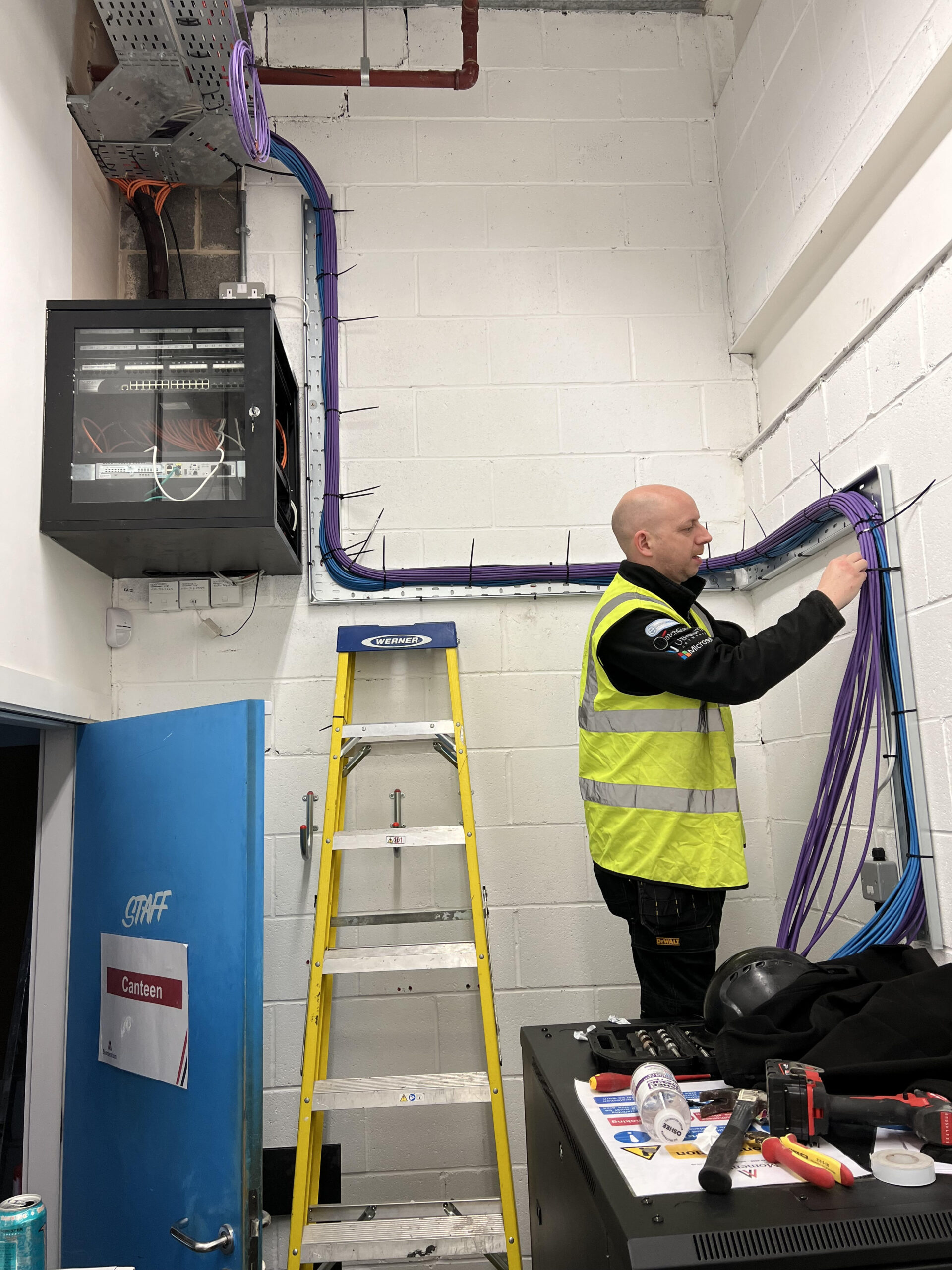
Regular network health checks are essential for maintaining optimal performance in both wired and wireless systems. This process should include:
- Inspecting Cabling Connections: Regularly check for loose or damaged connections.
- Monitoring Wireless Performance: Use tools to assess coverage and interference in the wireless network.
- Updating Equipment: Ensure all devices are updated with the latest firmware for security and performance enhancements.
Conducting these health checks will directly contribute to improved network reliability and efficiency.
How Can Business Decision-Makers Leverage Structured Data Cabling and Wi-Fi 6 to Future-Proof Their Office Networks?
In an ever-evolving technological landscape, decision-makers must strategically leverage both structured data cabling and Wi-Fi 6 technologies to maintain competitive advantages. By doing so, they not only enhance their current infrastructure but also prepare for future advancements that demand higher bandwidth and operational flexibility.
What Are the Measurable Benefits of Structured Cabling for Business-Critical Network Operations?
Measurable benefits of structured cabling include:
- Enhanced Data Transfer Speeds: Structured cabling supports higher data rates, facilitating quick information processing.
- Lower Maintenance Costs: With fewer points of failure, organisations can reduce downtime and maintenance expenses associated with network interruptions.
- Scalability: The modular nature of structured cabling allows for easy scalability to accommodate growing office networks.
These factors underscore why structured cabling remains a foundational choice for reliable office network operations.
How Does Wi-Fi 6 Adoption Facilitate Enhanced Productivity and Connectivity in SMEs and PLCs?
Adopting Wi-Fi 6 can significantly boost productivity by providing faster and more stable connections for all users. The increased capacity allows more devices to connect simultaneously without degrading performance, which is vital for small to medium enterprises (SMEs) and public limited companies (PLCs) expanding their operations. This enhanced connectivity supports collaborative tools and cloud-based applications, which are essential for modern business practices.
Frequently Asked Questions: Office Data Cabling & Wi-Fi 6 Infrastructure
What is the difference between Cat6 and Cat6a cabling for office networks?
Cat6 and Cat6a are common standards for structured cabling in office environments. Cat6 cabling supports frequencies up to 250 MHz and can handle 10Gbps speeds but typically only up to distances of 37–55 metres. Cat6a, on the other hand, operates at 500 MHz, doubling the bandwidth, and supports full 10Gbps speeds up to 100 metres, making it more suitable for future-proofing networks. Cat6a also includes enhanced shielding to protect against alien crosstalk—interference from adjacent cables—resulting in more reliable and stable connections, especially important in high-density office deployments. For UK commercial buyers and IT managers, investing in Cat6a ensures better longevity and performance as network demands grow.
How many data cabling drops does a modern UK office need per desk?
The recommended number of data cabling drops per workstation typically ranges from two to four. This accommodates primary connections such as a desktop PC or laptop docking station and VoIP telephony. Additional drops provide dedicated connections for redundancy or other devices, such as printers or secondary workstations. Including extra drops as a standard practice helps future-proof the office by allowing quick accommodation of new devices without major recabling, ensuring continuous operation and flexibility for UK offices.
Can Wi-Fi 6 completely replace structured ethernet cabling in commercial premises?
While Wi-Fi 6 significantly improves wireless connectivity, it cannot entirely replace structured Ethernet cabling in commercial environments. Wi-Fi 6 access points (APs) require multi-gigabit wired backhauls and Power over Ethernet (PoE) to function effectively, necessitating physical cabling infrastructure. Relying solely on wireless can lead to latency issues and interference, especially in dense office settings. Hybrid networks that combine robust wired backbone with Wi-Fi 6 wireless coverage deliver optimal network reliability, flexibility, and speed essential for business continuity.
How does Power over Ethernet (PoE / PoE+) integrate with structured cabling?
Power over Ethernet (PoE) and PoE+ standards enable the transmission of electrical power along with data through Cat6 or Cat6a cabling. This integration allows devices such as VoIP phones, IP security cameras, access control systems, and Wi-Fi 6 access points to be powered directly via the network cable without requiring separate electrical outlets. For UK businesses, PoE simplifies installation, reduces costs, and enhances flexibility in device placement within office environments.
When should a business upgrade to a fibre optic backbone?
Businesses should consider upgrading to a fibre optic backbone when dealing with complex campus environments, requiring inter-floor riser links, or when cable runs exceed the 100-metre limit for copper cabling. Fibre is essential for supporting high bandwidth core connections such as 10Gbps, 40Gbps, or 100Gbps throughput, enabling future-proof high-speed data transmission across large office complexes and between multiple buildings. For UK commercial buyers, fibre provides scalability and resilience necessary for evolving network demands.
What is the average lifespan of a professionally installed structured cabling system?
A professionally installed structured cabling system, complying with industry standards such as BS EN 50173 and ISO 11801, typically has a warranty and lifecycle of 15 to 25 years. This contrasts with active network equipment like switches and routers, which generally have replacement cycles of 3 to 5 years due to technological advancements. Investing in high-quality structured cabling provides a solid foundation that supports multiple generations of active equipment, reducing long-term infrastructure costs.
Do structured cabling installations in the UK need to meet specific building and fire safety regulations (e.g. CPR compliance)?
Yes, structured cabling installations in the UK must comply with building and fire safety regulations, including the Construction Products Regulation (CPR). Cabling systems are rated under Euroclasses such as Cca or B2ca, indicating fire performance standards. Low-smoke zero-halogen (LSZH) jackets compliant with CPR reduce toxic smoke and corrosive gases in case of fire, essential for commercial buildings following regulations like BS 6701. Professional compliance certification assures that installations meet these regulatory requirements, safeguarding occupant safety and ensuring lawful practice.